
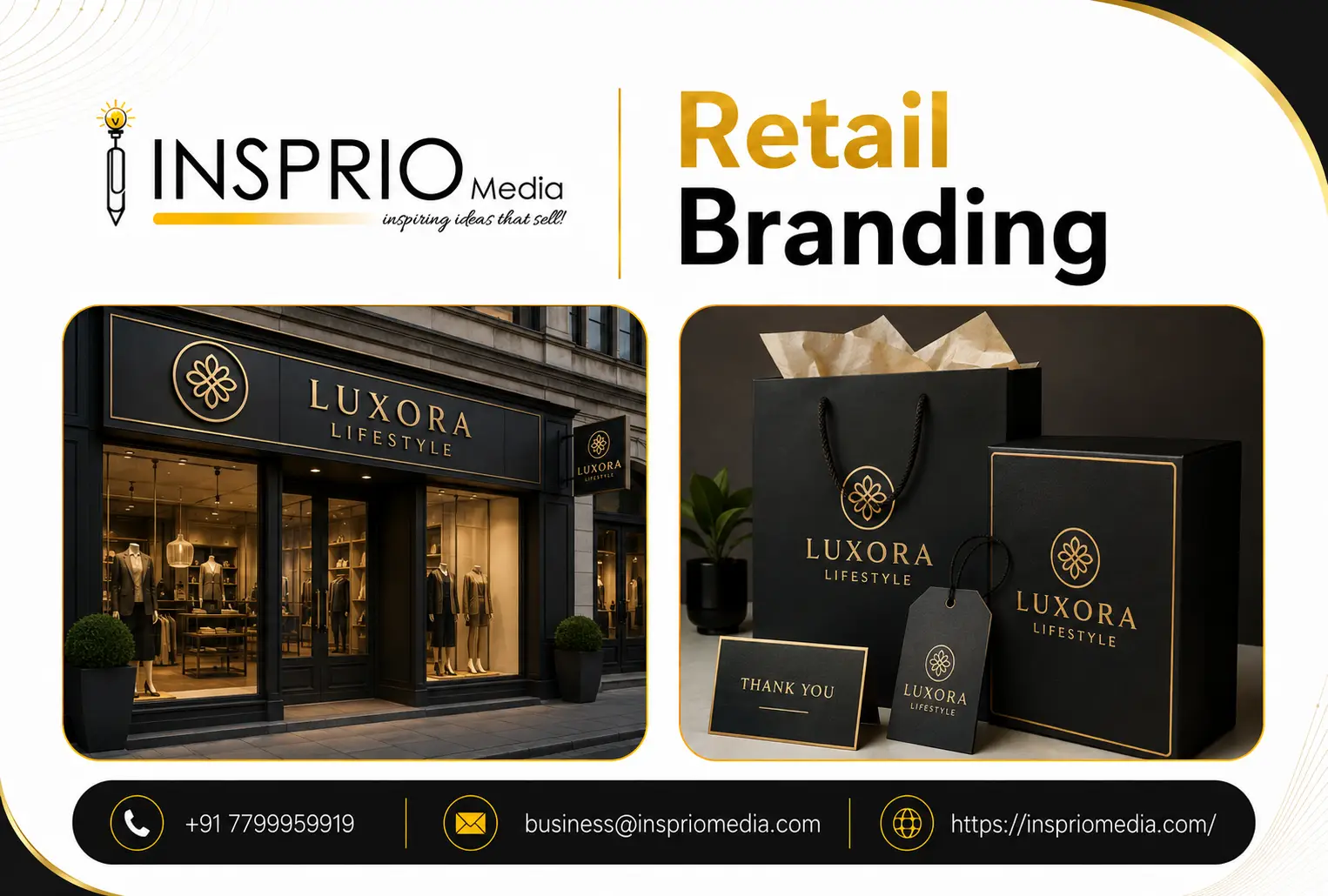
Retail branding is the way a store, shop chain or retail label presents itself so shoppers recognise it, trust it and prefer it. It covers the name and logo, but also the storefront, layout, packaging, staff behaviour, pricing style, social media and the online listing people find before they visit.
In retail, customers meet your brand physically and digitally, often within the same hour. A shopper might see your Instagram reel, check your Google reviews, walk past the signboard and then step in. Each touchpoint should say the same thing.
Why is retail branding different from other branding?
Three things set retail apart.
- Customers judge in seconds. A storefront has a very short time to say what you sell, who it is for and whether it is worth entering.
- The experience is the product. Lighting, music, display, billing speed and staff attitude are part of the brand.
- Competition is close. Whether you run a boutique in Banjara Hills, a kirana-style grocer or a mobile shop, your competitors are often on the same street and on the same delivery apps.
This means retail brands need clear positioning more than most. Our guide to brand positioning strategies will help you decide what to stand for before you invest in fixtures and signage.
Start with a clear retail position
Decide who your store is for and why it is the obvious choice. Some positions that work in Indian retail include the specialist (only bridal wear, only organic groceries), the value leader, the curator (a hand-picked selection), the convenience store and the experience store. Pick one lead idea.
Be specific. 'Family clothing for everyone' is vague. 'Cotton kidswear for ages 0 to 10, with a try-and-return promise' is a position a parent can remember. The narrower the promise, the easier it is for the right shopper to say, 'That is the shop for me.'
The elements of a strong retail brand
Name and logo
Choose a name that is easy to say, spell and search for. Check how it reads in English and local scripts. The logo should work on a tall signboard, a small carry bag, a social media profile picture and an app icon, so ask for flexible versions.
Storefront and signage
Your fascia is your biggest advertisement. Check readability from a distance and at night. Keep the message simple: name, what you sell, perhaps one proof point. Cluttered flex boards with ten offers usually weaken trust rather than build it.
Store layout and display
Plan the customer path, from the entrance to the billing counter. Group products logically. Keep the best items at eye level, and avoid overstuffing shelves, which can make quality brands look like discount stores. Colours, materials and lighting should reflect the position you chose. A premium jeweller and a value electronics store should not feel the same.
Packaging and carry bags
The bag leaves with the customer and becomes advertising on the road. Use consistent branding, sensible materials and a size that suits the product. Tissue paper, stickers and thank-you cards add memorability without huge cost. For product brands, see our packaging design guide.
Staff and service
Train staff to reflect the brand in how they greet, advise and handle returns. A friendly, knowledgeable tone is part of the identity. A beautiful store with careless service damages the brand faster than a plain store with warm service.
Pricing and offers
Constant discount banners train customers to wait for sales. If you position on quality, show value through service, assortment and guarantees rather than permanent markdowns. If you position on price, make that promise clear and honest.
Building the online side of a retail brand
Even a single-location shop now has an online brand, whether or not the owner planned one. Prioritise these:
- Google Business Profile: accurate hours, location, photos and a clear description are often the first impression. Review the Google Business Profile basics and respond to reviews in your brand's voice.
- Instagram and WhatsApp: show new arrivals, behind-the-scenes content and real customers. Use a consistent visual style so the feed looks like the store feels.
- A simple website or catalogue: even a few clean pages with products, location and contact details help. For selling online, consider an ecommerce website that carries the same look as the store.
- Marketplace and delivery listings: keep names, images and descriptions consistent with your own channels.
Customers should feel they are dealing with the same business whichever door they use. This is the idea behind omnichannel marketing.
Common retail branding mistakes
- Copying a famous brand's look. It confuses shoppers and can create legal risk.
- Inconsistent names and logos. The signboard says one thing, the bill another, and the Instagram handle a third.
- Ignoring local context. A design that works in a mall in another country may not suit a neighbourhood market in Hyderabad. Language, festivals and shopping habits matter.
- Spending on interiors but not on visibility. A beautiful store that nobody can find online loses footfall to weaker competitors.
- Overcomplicating the range. Too many categories dilute the brand.
- Neglecting reviews. Unanswered complaints are visible to every future shopper.
How do you measure retail branding?
Look at practical indicators over time rather than a single number. Are more people walking in after seeing your online profile? Do customers say how they heard of you? Is the proportion of repeat shoppers rising? Are people searching for your store name directly? Do customers mention the experience in reviews? Ask staff to note why customers say they chose you, because that feedback reveals which part of the brand is working.
A sensible order of work for a new or refreshing store
Settle the position first. Then design the identity, storefront and packaging together, so they match. Set up your online profiles before launch. Document the rules in simple brand guidelines that the staff and vendors can follow. Finally, add campaigns and local marketing once the foundation is steady. Doing it in this order usually avoids the expensive correction of reprinting boards, bags and labels later.
Examples of retail branding choices that work
Consider a family-run sweet shop. It can keep its heritage feel by using a traditional name style, but modernise the packaging so gift boxes look attractive on Instagram. The brand stays rooted, yet appeals to younger buyers ordering for festivals.
Consider a multi-brand mobile store. Rather than copy the bright, crowded look of every competitor, it could position on honest advice and after-sales support: calmer layout, neutral colours, a clear service desk and a simple promise displayed at the entrance. The store feels different because its brand is built around trust, not just stock.
Consider a boutique selling ethnic wear. Its strongest asset may be curation, so display, photography and social posts should highlight styling ideas and real customers wearing the pieces. The same visual language should appear on the tags, bags, reels and WhatsApp catalogue. None of these choices requires a huge budget. They require decisions made once and applied consistently.
How Insprio Media can help
We work with retailers, D2C brands and local businesses on branding and identity, signage and packaging artwork, Google Business Profiles and social media. If you are opening or refreshing a store, talk to us before you finalise the board and bag designs.


















