
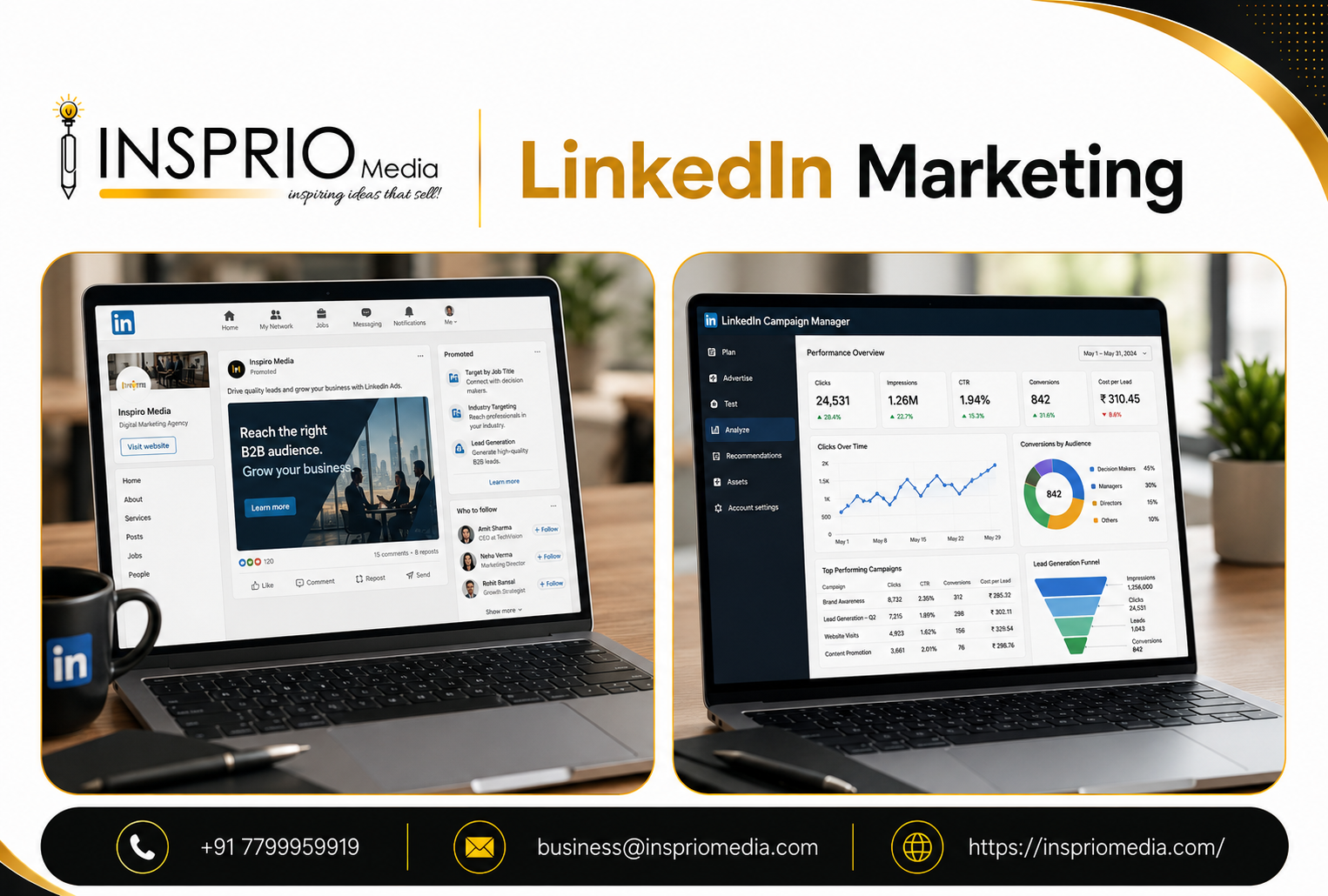
LinkedIn marketing for B2B works when three things line up: a credible company page and people who speak for it, content that helps buyers make decisions, and targeted LinkedIn ads or outreach that reach the right job titles and companies. It rewards patience and relevance, not volume.
Its main advantage is targeting. You can reach people by job function, seniority, industry and company size, which is hard to do elsewhere. Its main cost is that clicks are more expensive than on most platforms, so wasted effort hurts more.
Is LinkedIn right for your B2B business?
LinkedIn suits businesses that sell to other businesses with a considered buying process: software and IT services, consultancies, manufacturers and exporters, staffing firms, financial and legal services, and agencies. It is useful when deals are valuable enough to justify paid targeting and when buyers research suppliers before replying.
It is a weaker fit for low-value impulse purchases or products aimed at the general public. A small manufacturer selling industrial components in Hyderabad to procurement heads may do well. A neighbourhood bakery probably will not. If you are weighing it against other platforms, our overview of B2B vs B2C marketing explains how buying behaviour differs.
Build the foundation: company page and people
Your company page should make a buyer comfortable within seconds. Include a clear description of what you do and for whom, accurate industry and size details, a website link, a strong banner and a pinned post that explains your value. Fill out services and products where available.
But company pages alone have limited reach. People trust people. The founder, sales leaders and subject experts in your team often reach far more of your market than the brand page does. Encourage a few of them to post regularly about their real work, with their own opinions and examples. Our LinkedIn management service helps businesses organise this without it feeling forced.
What content works for B2B on LinkedIn?
Content that helps a buyer decide is the most useful. Strong options include:
- Practical explainers. How to choose a supplier, what to check in a contract, common mistakes in your field.
- Document or carousel posts. Short slide-style breakdowns that are easy to read and share.
- Real project stories. What the problem was, what you did and what the client learned, shared with permission and without invented numbers.
- Behind the scenes. Plant visits, quality checks and team introductions that show capability.
- Short videos. A founder or engineer explaining one idea clearly.
- Opinion and commentary. A grounded view on a change in your industry.
Avoid turning every post into a brochure. Buyers scroll past company announcements, but they stop for something they can use. Keep posts specific, readable on a phone and written like a person, not a press release.
How do LinkedIn ads work for B2B?
LinkedIn ads let you choose who sees your message by job title, seniority, function, industry, company size and even named companies, and to retarget website visitors or people who engaged with you. Common formats include single image ads, document ads, video, message ads and lead gen forms that open pre-filled with the user's profile details.
Match the offer to the stage
Cold audiences rarely respond to a request for a call. Give them something valuable first, such as a guide, checklist, webinar or sample report, and follow up with those who engage. Warmer audiences, such as site visitors, can see more direct offers like a demo or consultation.
Keep targeting tight, but not too tight
Audiences that are too narrow limit delivery and raise costs. Audiences that are too broad waste spend on irrelevant roles. Start with a clear buyer profile and refine based on what actually produces qualified leads. Our LinkedIn ads team plans audiences, offers and follow-up together.
Expect higher costs, judge by quality
Cost per lead on LinkedIn is usually higher than on other social platforms, so judge it by lead quality and deal value, not cost alone. A handful of the right enquiries from a target account list can be worth far more than a large number of unqualified form fills.
Turn attention into leads
Visibility does not create leads on its own. Make the next step obvious: a relevant landing page, a short form, a clear offer and a quick follow-up. Lead gen forms reduce friction but often produce lower-intent leads, so check quality with your sales team. A dedicated page lets you explain more and filter better.
Follow up fast and personally. A B2B buyer who downloads a guide may be comparing three suppliers this week. If you can connect lead data to your CRM, CRM automation helps route leads to the right person and keep follow-up consistent. For the wider picture of getting business enquiries, see our guide to lead generation strategies.
Common LinkedIn marketing mistakes
- Only posting company news and expecting engagement.
- Connecting and immediately pitching in direct messages.
- Posting in bursts, then going silent for months.
- Targeting too broadly in ads and wasting budget.
- Sending ad traffic to a generic homepage.
- Ignoring comments, or letting leads wait days for a reply.
- Measuring only impressions and likes instead of qualified conversations.
How to measure LinkedIn marketing
Look at the numbers that reflect your goal. For authority, check follower quality, profile views from target roles and comments from relevant people. For pipeline, track qualified leads, meetings booked, opportunities created and cost per qualified lead. Tie these to deal outcomes where you can, because B2B sales cycles are long and early signals can mislead.
Allow enough time. Organic authority builds over months, and paid campaigns need a learning period. Review monthly and adjust.
How B2B companies in India can use LinkedIn in practice
- Manufacturers and exporters. Show capability: certifications, plant visits, quality processes and sample applications. Buyers abroad, in places such as the UAE, the UK or Australia, often check a supplier on LinkedIn before replying to an enquiry.
- IT and software firms. Share practical lessons from real projects, explain technical choices in plain language and let engineers and product leaders post under their own names.
- Consultants and professional services. Individual credibility is the product, so founders and partners should lead with commentary, short explainers and client-friendly guidance.
- Agencies and service companies. Show your thinking and process rather than a list of services, and share what you have learned about your clients' industries.
Connect LinkedIn to the rest of your marketing
LinkedIn rarely works alone. Buyers who see your post may later search your name on Google, visit your website and compare you with two competitors. Your website, search presence and sales follow-up should all be ready for that moment. A clear service page, case-style proof and an easy contact route make the difference between interest and a lost lead.
Retargeting is a useful bridge: people who visited your website or watched your videos can be shown a relevant next-step offer on LinkedIn. And content that performs well organically can be promoted to a more precise audience, which stretches your effort further.
How Insprio Media can help
We help B2B companies build a credible LinkedIn presence, create content with real expertise behind it and run targeted ad campaigns tied to qualified leads. To plan what would suit your business, view our social media marketing service or contact us.


















