
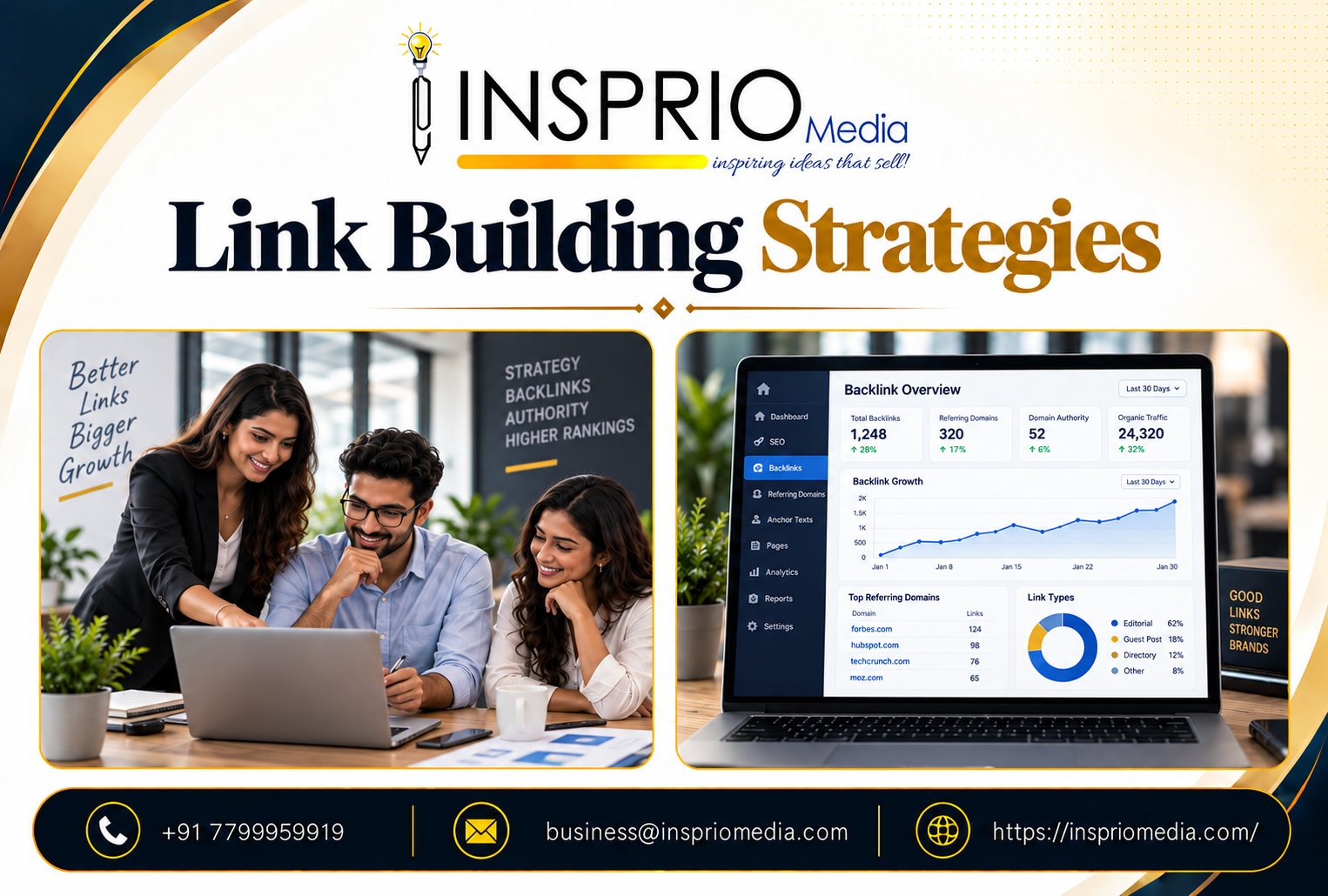
Link building strategies are the methods you use to earn links from other websites to yours. The ones that work focus on getting a modest number of relevant, editorial links from real sites, because Google treats those as a sign that your business is credible.
Volume is the wrong target. One link from a respected trade publication or an industry body can do more than hundreds of links from unrelated directories. The question to ask of any link is simple: would this site send me real visitors, and would a person reading it trust me more?
Why links still matter
Links remain one of the signals search engines use to judge whether a page deserves attention. If other sites mention and link to you, it suggests that you are known and trusted. This matters most in competitive searches, where many pages are well written and well structured and little else separates them.
That said, links are not a switch. Strong content on a technically healthy site with no links can still rank for less competitive searches, especially local ones. Links tend to matter more as competition rises. If you are not sure where your site stands, start with the basics in our guide to on page SEO before spending time on outreach.
What makes a link worth having
Judge a potential link against a few plain questions.
- Relevance. Does the site cover your industry, location or audience? A link from a Hyderabad business association means more to a local firm than a link from a random overseas blog.
- Editorial choice. Did a human choose to include it because it helps readers? Links bought, swapped in bulk or placed by script carry little value and some risk.
- Real audience. Does the site have genuine readers? A site that no one visits is unlikely to help you.
- Fit with the page. Is the link surrounded by relevant text and pointing to a page that makes sense?
- Natural pattern. A healthy profile includes a mix of links to your homepage and to deeper pages, with varied wording.
Strategies that are worth your effort
Create something people want to cite
Original data, useful tools, clear explainers and practical templates attract links because others use them as references. For a B2B manufacturer, this might be a specification guide that engineers bookmark. For a real estate developer, a clear locality guide with honest information about connectivity, schools and prices. The key is genuine usefulness for a specific audience, not content made only to attract links.
Digital PR and expert commentary
Journalists and bloggers need credible sources. If you have real expertise or real data, offer it when a story needs it. Local and trade publications often welcome comments from practitioners. Quality matters: a relevant mention in a recognised outlet is a strong signal and also a brand builder.
Partnerships and community
Your suppliers, customers, industry bodies, event organisers and local associations may already be willing to link to you. Sponsorships, speaking at events, membership listings and case studies you co-publish with partners often produce links as a natural by-product, and they are links a competitor will find hard to copy.
Guest contributions with a purpose
Writing for a respected site your customers actually read can work, provided the content is useful and not an advert in disguise. Mass guest-posting on sites that accept anything for a fee is a different thing, and it is the kind of pattern search engines learn to ignore.
Reclaim what already exists
Find mentions of your brand that do not link to you, and politely ask for a link. Check for broken links on relevant sites where your content could replace a dead page. Make sure old pages that already have links are redirected properly, not deleted. These are small jobs with a good hit rate.
Local and directory citations
For businesses serving a city or area, a limited set of accurate, relevant listings helps customers and supports local visibility. Choose directories people actually use in your sector. Consistency of name, address and phone number matters more than volume. Pair this with a well-managed Google Business Profile.
What to avoid
- Paying for links, or joining private networks of sites that sell them.
- Cheap packages promising a fixed number of links per month.
- Large-scale directory or forum submissions.
- Comment spam and signature links.
- Exchanging links in bulk with unrelated sites.
- Automated tools that build links at scale.
Google's spam policies specifically name buying and selling links for ranking purposes. Many such links are simply ignored, but a pattern of manipulation can lead to manual action or a loss of trust. Understanding the difference between harmless poor links and harmful ones is covered in our article on toxic backlinks.
Which strategy suits which business?
A local clinic or restaurant gets more from local relevance than from national links: community sites, local press, supplier and association pages, and a strong map presence. A D2C brand often gains from creator mentions, product reviews in respected publications and partnerships with complementary brands. A B2B company gains from industry associations, trade publications, supplier and distributor pages, and technical resources that engineers cite. An international client in the UAE or UK should look for links from sites in those markets, not only from Indian sites.
Choose two or three approaches that fit your audience and do them properly, rather than attempting all of them thinly.
Make links easier to earn
Outreach is much easier when your site gives people reasons to link. That means pages that load quickly, clear authorship, honest information and a visible business identity. A contact page, real team details and consistent branding make a site look like somewhere worth citing. If your brand looks unprofessional, strong content may still fail to earn trust. Our guide to how branding helps a business grow explains why this matters beyond SEO.
When you do reach out, be specific. Explain who you are, why your page helps their readers and what you suggest. Generic mass emails are easy to spot and easy to delete.
How to measure link building
Count what matters. The number of links is a weak measure. Better indicators include:
- Referral visits from linking sites and whether those visitors engage or enquire.
- Links from sites relevant to your industry or city.
- Growth in branded searches, meaning people searching for your name.
- Movement in rankings for pages that received links, judged over months rather than days.
Be cautious with third-party authority scores. They can be useful for comparison but they are not what Google uses. We explain why in what domain authority really means.
How long it takes, and a realistic expectation
Earning good links is slow and uneven. A strong campaign may bring a handful of quality links in a quarter. That is normal. No honest provider can guarantee a number of links, a ranking position or a date. If someone does, treat it as a warning.
How Insprio Media can help
We help businesses decide whether links are what is holding them back, and if so, which ones are realistic and safe to pursue. We prefer a few relevant links over big numbers. Learn more about our SEO services or contact us to discuss your site.


















