
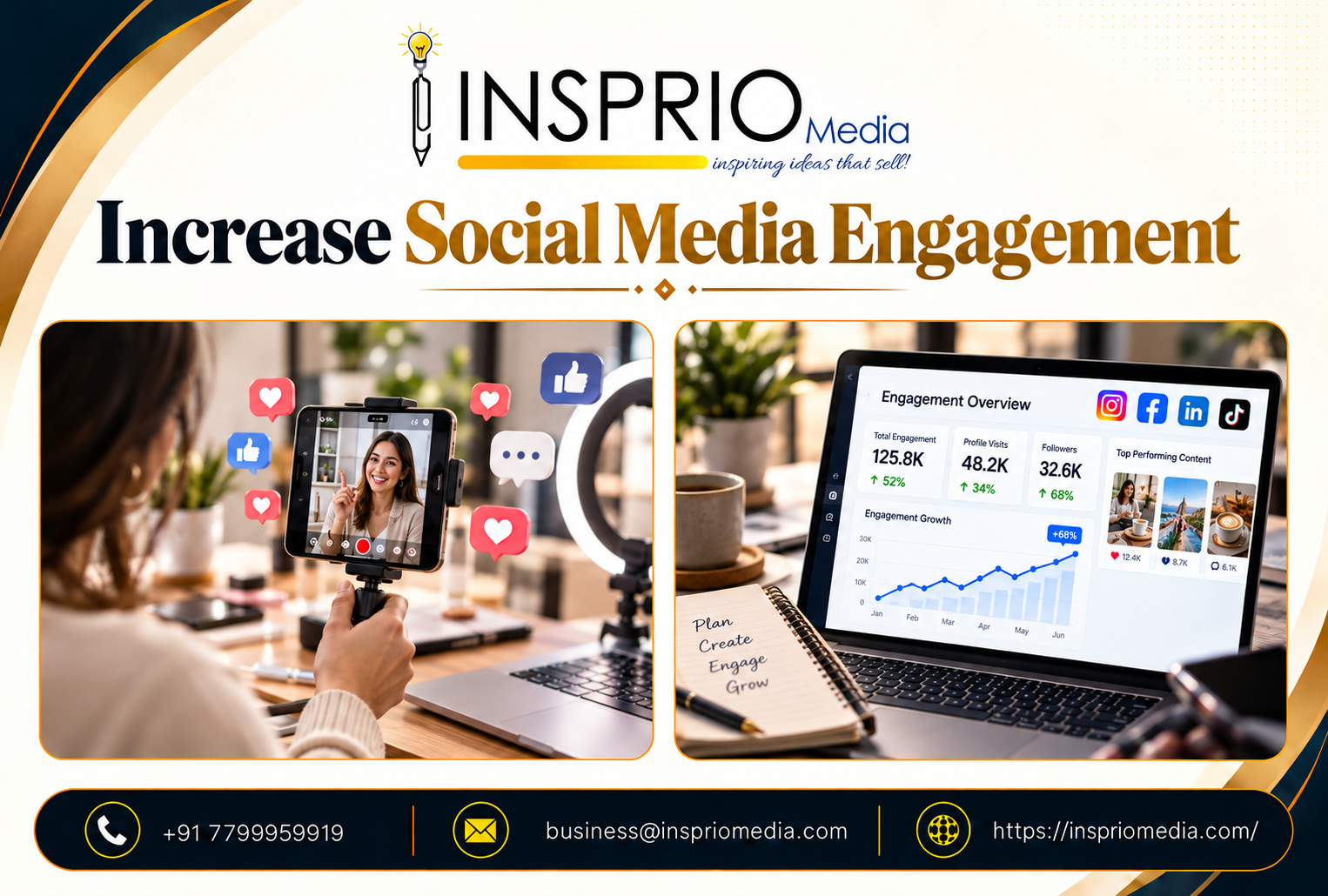
To increase social media engagement, publish content that is useful or interesting to a specific audience, make it easy to respond, and reply quickly when people do. Engagement is a result of relevance and conversation, not of posting more or using the latest trick.
Engagement means the actions people take on your content: likes, comments, saves, shares, replies, clicks and messages. Some matter far more than others, and the right ones depend on what your business wants from social media.
Which engagement actually matters?
Not all engagement is equal. A like takes a second. A comment, a save, a share or a direct message shows real interest. For a business, a saved post of your menu or a message asking about prices is worth far more than a hundred casual likes.
Before chasing numbers, decide what you want from the channel: awareness, trust, enquiries, bookings or sales. Then pay most attention to the actions that signal progress towards that goal. Our guide to social media KPIs explains how to choose what to track.
Be careful with vanity metrics. Buying followers or joining engagement pods can inflate numbers, but it damages reach and tells you nothing true about your audience.
Do you know who you are talking to?
The most common reason for weak engagement is posting for everyone, which ends up as posting for no one. A Hyderabad clinic speaks to patients and families. A B2B machinery supplier speaks to procurement heads and engineers on LinkedIn. A D2C skincare brand speaks to young adults on Instagram. Each needs different topics, tone and formats.
Write down who your best customers are, what they ask before buying, what worries them and where they spend time. Then build content around those answers. Your sales calls and WhatsApp enquiries are a gold mine for topics.
What kind of content earns engagement?
Content people respond to usually does one of a few things: it teaches, entertains, reassures, shows behind the scenes, or invites an opinion. Mix these instead of only posting offers.
- Teach something small: a quick tip, a common mistake, a myth explained.
- Show real work: before and after, a day at the workshop, a dish being prepared.
- Share customer stories: with permission, in the customer's words.
- Answer real questions: turn frequent enquiries into short posts or reels.
- Take a position: a clear view on something in your industry invites discussion.
Video, especially short vertical video, tends to get strong reach on Instagram, Facebook and YouTube Shorts, though quality and relevance still decide results. See our guides on video marketing and Instagram marketing strategy for format ideas.
Platform differences
What earns engagement differs by platform, so adapt rather than copy. On Instagram, reels, carousels and Stories do much of the work, and saves and shares are strong signals. On LinkedIn, a clear point of view or a lesson from real work tends to start discussion among peers. On Facebook, local groups, events and community-minded posts often matter. On YouTube, a useful, searchable title and a strong first few seconds decide whether people stay.
Hooks that work
The first line of a caption or the first second of a video is your hook. Compare 'New arrival' with 'Three mistakes people make when choosing a sofa for a small flat'. The second promises something specific and gives people a reason to stop. Avoid misleading hooks, though. If the content does not deliver, people leave and the platform notices.
How do you start conversations, not just broadcast?
Platforms reward content that people respond to, and people respond when you give them a reason. A few ways to do it:
- End posts with a specific question, not 'What do you think?'. For example, 'Which of these three paint shades would you choose for a north-facing bedroom?'
- Use polls, question stickers and quizzes in Stories.
- Invite people to share their own experience or photos.
- Ask for a specific action, such as 'Save this for your next site visit'.
Keep questions easy to answer. The lower the effort, the more people reply.
Why does replying matter so much?
Engagement is two-way. When someone comments or messages, reply promptly and personally, ideally within hours. Use their name, answer the actual question and keep the tone human. Generic replies like 'Thanks!' on every comment feel automated.
Reply to comments on other people's relevant posts too. Commenting thoughtfully on posts from customers, partners and local businesses puts your brand in front of new audiences. Handle negative comments calmly and publicly where possible, and take sensitive issues to direct message. Our article on social media community management goes deeper on this.
Does posting time and frequency help?
Consistency matters more than any clever schedule. A steady rhythm that you can sustain beats bursts of activity followed by silence. Post when your audience is active, which your platform insights will show, and learn from your own data rather than generic best time lists. For guidance on rhythm, read how often businesses should post on social media.
How do you learn what works?
Review your posts every month. Which got the most saves, shares and meaningful comments? What did they have in common: topic, format, hook, length, time? Do more of what works and stop repeating what does not.
Pay attention to the first line or first second. On most platforms, people decide quickly whether to keep reading or watching. A clear, specific hook beats a vague opening every time.
Use your customers as content
User generated content is one of the most credible kinds. A restaurant that reshares guests' photos, a school that features student projects, or a D2C brand that posts customer unboxing videos shows real people using the product. Always ask permission and credit the person. Simple prompts such as a branded hashtag or a small incentive can encourage more of it, as long as the content stays genuine.
Consider collaborations and paid support
Working with local creators or complementary businesses introduces you to audiences that already trust someone else. Our guide to influencer marketing explains how to choose partners. Paid promotion can also help good organic posts reach more of the right people, which is why strong organic content and paid support often work best together.
Be patient and keep a record
Organic engagement grows slowly. A new or neglected account may need two or three months of steady, relevant posting before a pattern appears. Keep a simple monthly record of your best five and worst five posts, with the topic, format and opening line for each. After a few months, this record becomes your own guide to what your audience wants, and it is far more reliable than general advice from articles, including this one.
What mistakes drag engagement down?
- Posting only promotions and discounts.
- Ignoring comments and messages for days.
- Using poor quality visuals or copied stock images.
- Posting the same content everywhere without adapting it to each platform.
- Buying followers, which fills your audience with people who never respond.
- Giving up after a few weeks before a pattern can emerge.
How Insprio Media can help
We plan, create and manage social media content for businesses, with a focus on content that gets real responses and supports business goals. If you want a clearer plan for your channels, see our social media management service or talk to us.


















