
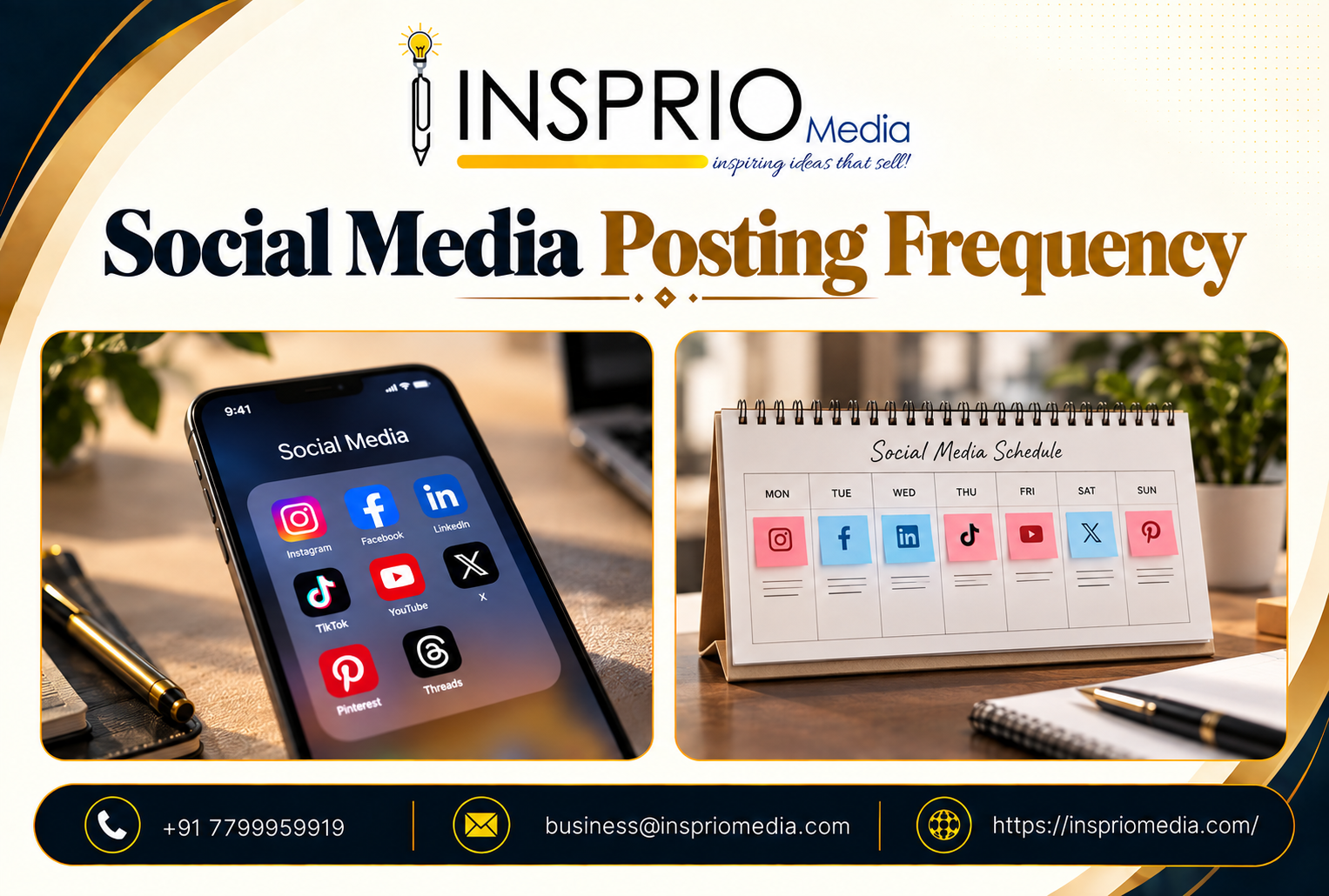
There is no universal best social media posting frequency. For most small and mid-size businesses, a steady rhythm of a few quality posts per week on one or two main platforms beats daily posting that cannot be sustained. Quality and consistency matter more than volume.
Start with a schedule you can keep for six months, watch the results, and adjust. If you can only keep up with three good posts a week, that is far better than seven rushed ones followed by weeks of silence.
Why is there no single right answer?
Platforms behave differently, audiences differ, and businesses have different capacity. A restaurant with fresh daily content has more to say than a B2B consultancy. A brand with a video team can post more often than one with a single person managing everything.
Platform advice also changes. Algorithms are updated often, and any article that gives an exact number as a rule is guessing. Treat any figure, including ones below, as a starting point to be tested against your own insights.
How often should you post on each platform?
These are practical starting points for a typical business, not rules:
| Platform | Starting rhythm | What matters most |
|---|---|---|
| 3 to 5 feed posts or reels a week, Stories several times a week | Reels and carousels with clear value, steady Stories for existing followers | |
| 2 to 4 posts a week | Local relevance, events, offers, community interaction | |
| 2 to 4 posts a week | Expertise, company updates, people, clear point of view | |
| YouTube | 1 quality video a week or fortnight, Shorts as capacity allows | Searchable titles, useful content, a consistent series |
| X (Twitter) | Near daily if it suits your audience | Timely commentary and conversation |
Choose only the platforms where your customers actually are. Doing two well is better than five poorly. Our guides to Instagram marketing strategy and LinkedIn marketing for B2B help you decide.
What matters more than the number?
Relevance to your audience
A post that answers a real customer question will outperform three generic ones. A Hyderabad dentist posting a short reel on what to do after a root canal serves patients better than a daily motivational quote.
Quality and consistency
Algorithms and audiences both respond to reliability. Followers who know you post useful content every Tuesday and Friday learn to look for it. Irregular posting makes it hard to build a habit.
Format variety
Mix formats: reels, carousels, single images, Stories, live sessions, text posts where the platform suits it. Different formats reach different people and show you what your audience prefers.
How do you decide how much you can sustain?
Be honest about capacity. Posting involves ideas, creating, editing, scheduling, replying and reporting, not just pressing publish. Count the hours for one post, multiply by posts per week and ask whether that fits your team.
A practical approach:
- Choose one or two priority platforms.
- Set a minimum rhythm you are certain you can meet.
- Batch content creation, for example producing a month of posts in a few sessions.
- Review after eight to twelve weeks and adjust.
A content calendar makes this much easier. See our guide to building a social media content calendar.
What a realistic week looks like
Take a small Hyderabad clinic with one staff member handling social media for a few hours a week. A workable plan might be two Instagram reels, one carousel, Stories on three days and one Facebook post repurposed from the same material. That is a manageable load that can be filmed in a single session and scheduled ahead. Compare that with a plan for daily posts on four platforms, which would almost certainly collapse.
Warning signs that you are posting too much or too little
- Falling engagement per post despite more posts suggests overload or weaker content.
- Gaps of several weeks suggest the schedule is unrealistic.
- Followers who rarely see your content suggest you are posting too rarely for the platform to learn what your audience likes.
- Repeated ideas and recycled graphics suggest you are posting to fill space.
Does posting more get you more reach?
Not by itself. Posting more gives you more chances to be seen, but only if each post is worth seeing. If engagement drops as you increase frequency, quality is probably slipping or you are overwhelming the audience.
Watch signals such as saves, shares, comments, profile visits and enquiries, not just impressions. If a heavier schedule does not improve these, scale back. Our article on how to increase social media engagement covers what to improve instead.
Seasonal and campaign adjustments
Your rhythm does not have to stay fixed all year. A school will post more around admissions. A jeweller or a fashion brand will post more ahead of wedding season and festivals. A real estate developer will post more around a launch or a site event. Plan these peaks in advance, produce the content early, and return to your normal pace afterwards so the team does not burn out.
How should the rhythm differ by business type?
- Restaurants and cafes: frequent, visual content works, such as dishes, offers, events and Stories. Several posts a week is realistic.
- Clinics and healthcare: educational content is valued, but accuracy matters more than volume. A few reviewed posts per week is plenty.
- Real estate: project updates, site progress, walkthroughs and customer stories. Moderate frequency, with higher activity around launches.
- B2B manufacturers: LinkedIn is usually the priority. A few thoughtful posts a week on products, plants, people and industry views.
- D2C and ecommerce: higher frequency often makes sense, especially during sale and festival periods, backed by product photography and reels.
- Schools and colleges: events, achievements and admissions information, with bursts during the admission season.
What about Stories, live sessions and community posts?
These sit alongside your main schedule. Stories are quick and casual, so a few a week keeps you visible without heavy production. Live sessions work best when scheduled and promoted, for example a monthly question and answer. Replying to comments and messages is not a separate extra: it is part of your workload, and it affects results as much as publishing does. Our guide to community management covers it.
How to test a change in frequency
If you want to know whether posting more helps, change one thing at a time. Keep your content quality and formats steady, raise frequency for four to six weeks, and compare saves, shares, profile visits and enquiries against the previous period. If results improve and the team coped easily, keep the new pace. If not, go back and put the extra effort into making each post better.
When should you post?
Use your platform insights to see when followers are online, then test a few slots. Timing is secondary to content quality, but consistent slots help audiences form habits. Festivals, exam seasons and local events in Hyderabad and across India can shift behaviour, so adjust around them.
Plan around campaign periods too. Launches, sales and events justify a temporary increase, followed by a return to your normal rhythm.
How Insprio Media can help
We help businesses choose the right platforms, set a realistic rhythm and produce content that is worth the schedule. Explore our social media management service or contact us to talk through what would suit your team.


















